

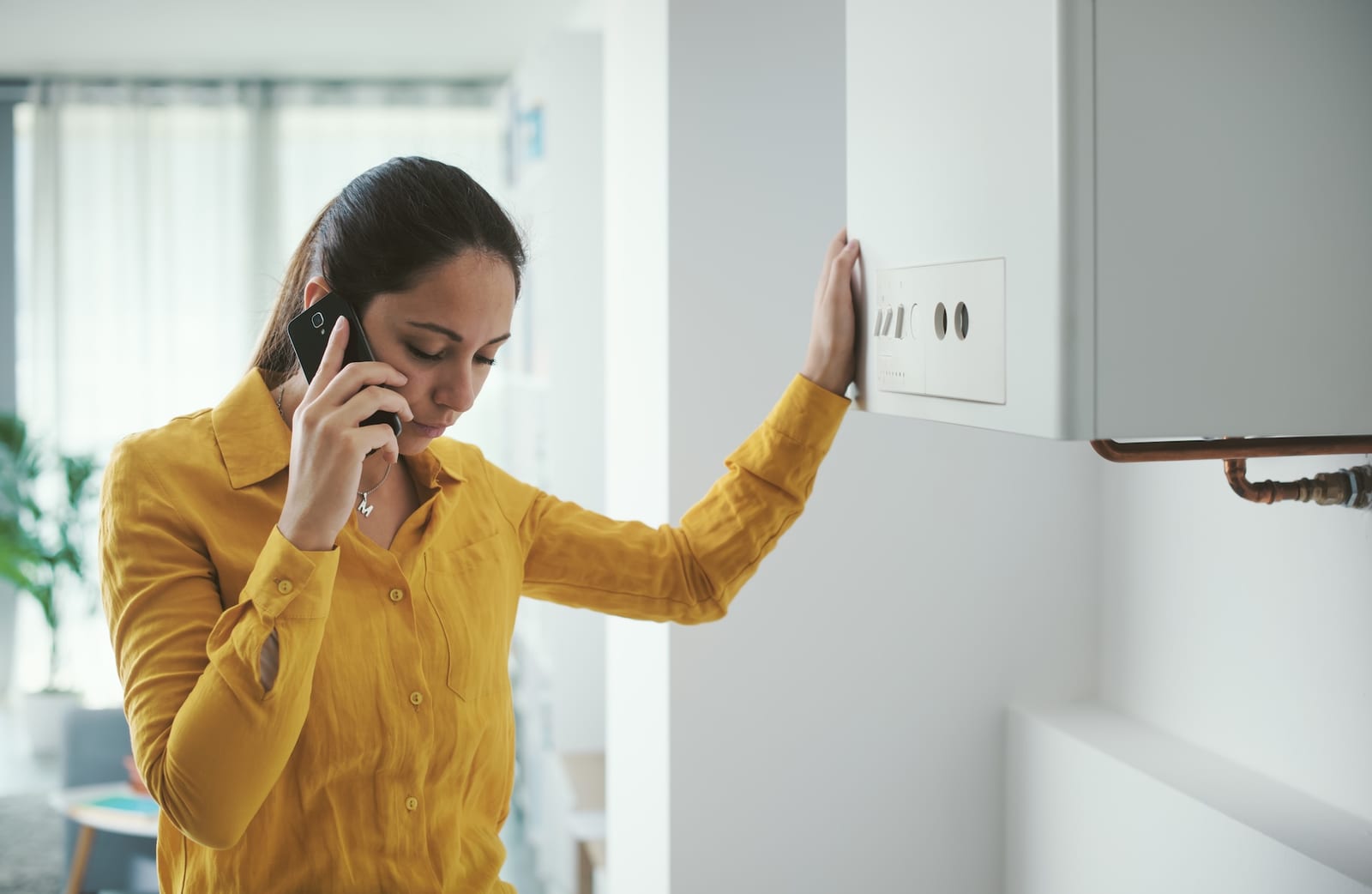
If your boiler is becoming unreliable, expensive to run, or struggling to heat your home properly, it may be time to consider a replacement rather than another repair.
Replacing a boiler is a significant decision for any homeowner. While repairs can seem like the cheaper option in the short term, there comes a point where continuing to fix an ageing system costs more in time, money, and comfort.
This guide explains the clear signs to look for, how to weigh up repair versus replacement, and how to make a confident decision.
Key Takeaways
- Boilers typically last 10 to 15 years before performance declines
- Frequent breakdowns often signal the start of ongoing issues
- Rising energy bills can indicate poor efficiency
- Some faults are no longer cost effective to repair
- A new boiler can improve reliability, efficiency, and comfort
How Long Should a Boiler Last?
Most modern boilers are designed to last between 10 and 15 years when properly maintained. Regular servicing can extend this lifespan, but components naturally wear over time.
As boilers age, they become less efficient and more prone to faults. Even if they still work, they may not be performing as they should.
Common Signs Your Boiler Needs Replacing
Frequent Breakdowns
If you are calling an engineer multiple times a year, this is a clear sign that the system is failing. Small faults can quickly turn into larger issues.
A reliable heating system should not require constant attention.
Rising Energy Bills
Older boilers lose efficiency over time. This means they use more fuel to produce the same level of heat.
If your energy bills are increasing without a clear reason, your boiler may be the cause.
Inconsistent Heating
Cold radiators, uneven temperatures, or slow heating can indicate that your boiler is struggling to distribute heat properly.
This often points to internal wear or system inefficiency.
Strange Noises
Banging, whistling, or gurgling sounds are not normal. These can be caused by internal faults, limescale build up, or failing components.
Ignoring these noises can lead to more serious problems.
Expensive Repairs
When repair costs start to add up, it is important to step back and assess the bigger picture.
A one off repair might make sense, but repeated costs can quickly exceed the price of a replacement.
Repair vs Replacement: How to Decide
One of the most common questions homeowners ask is whether to repair or replace their boiler.
When a Repair Makes Sense
- The boiler is under 10 years old
- The issue is minor and low cost
- The system has been reliable until now
- Parts are still widely available
In these cases, a repair is often the best option. You can explore professional support through our boiler repair service.
When Replacement is the Better Option
- The boiler is over 10 to 15 years old
- Repairs are becoming frequent
- Parts are difficult to source
- Efficiency has noticeably dropped
At this stage, replacing the boiler is usually the more cost effective long term decision.
Cost vs Long Term Value
Short Term Thinking
Repairs can feel like the cheaper option because the upfront cost is lower. However, this can be misleading.
Multiple repairs over time often exceed the cost of a new system.
Long Term Thinking
A new boiler offers:
- Improved efficiency
- Lower running costs
- Greater reliability
- Manufacturer warranty cover
Over time, these benefits can outweigh the initial investment.
Efficiency and Modern Boilers
Modern boilers are far more efficient than older models. This means:
- Less energy is wasted
- Heating is more consistent
- Running costs are reduced
Even upgrading from a 10 year old boiler can result in noticeable savings.
If you are considering upgrading, our new boiler installation service can help you understand your options.
The Impact on Your Home Comfort
An ageing boiler does not just affect your bills. It also affects your daily comfort.
You may notice:
- Slower hot water delivery
- Rooms taking longer to heat
- Difficulty maintaining a steady temperature
A new system restores consistent performance across your home.
The Risk of Waiting Too Long
Delaying a replacement can lead to:
- Unexpected breakdowns
- Emergency callouts
- Loss of heating during colder months
Planning a replacement in advance allows you to choose the right system without pressure.
Preventative Maintenance Still Matters
Even if your boiler is working well, regular servicing is essential.
A yearly check through our boiler service helps:
- Identify early warning signs
- Maintain efficiency
- Extend the lifespan of your system
FAQs
How do I know if my boiler is beyond repair?
If repairs are frequent, parts are hard to find, or costs are high, it is usually more practical to replace the boiler.
Is it worth replacing a 10 year old boiler?
Yes, especially if efficiency has dropped or faults are becoming more common. Modern boilers are significantly more efficient.
Will a new boiler reduce my energy bills?
In most cases, yes. Improved efficiency means less energy is needed to heat your home.
Making the Right Decision
Choosing whether to repair or replace your boiler comes down to reliability, cost, and long term value.
If your boiler is still relatively new and the issue is minor, a repair may be the right choice. But if problems are becoming more frequent, replacing the system can save money and stress over time.
If you are unsure, a professional assessment can help you make a confident decision based on your specific situation.