

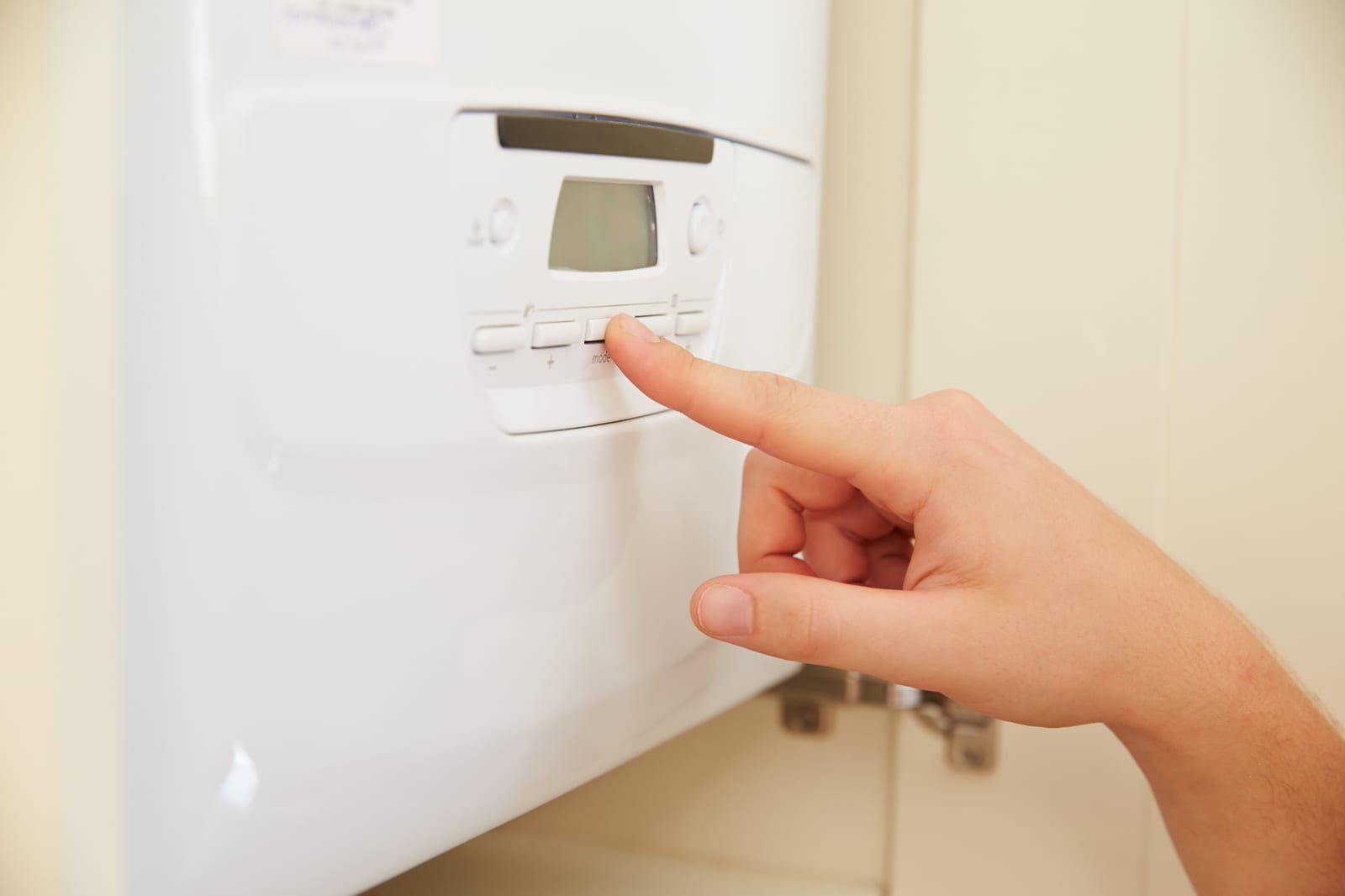
If your boiler pressure keeps dropping, it is a sign that something is not quite right within your heating system.
While topping up the pressure may fix it temporarily, repeated pressure loss usually points to an underlying issue that needs attention.
Key Takeaways
- Boiler pressure loss is often caused by leaks or faulty parts
- Repressurising is only a short term fix
- Ignoring the issue can lead to further damage
- Some checks can be done safely at home
- Persistent problems should be assessed by an engineer
What Is Boiler Pressure?
Boiler pressure refers to the level of water pressure within your central heating system.
Most systems operate best between 1 and 1.5 bar when cold.
If pressure drops too low, your boiler may stop working properly.
Common Causes of Pressure Loss
Leaks in the System
Even small leaks can cause pressure to drop over time.
These may occur in:
- Radiators
- Pipework
- Valves
Leaks are not always obvious, so it is important to check carefully.
Bleeding Radiators
Releasing air from radiators reduces system pressure.
If you have recently bled your radiators, the pressure may need to be topped up.
Faulty Pressure Relief Valve
The pressure relief valve is designed to release excess pressure.
If it becomes faulty, it may release water unnecessarily, causing pressure to drop.
Expansion Vessel Issues
The expansion vessel helps regulate pressure within the system.
If it fails, pressure levels can fluctuate or drop unexpectedly.
Hidden Internal Faults
Some issues are not visible externally and require professional inspection.
These can include internal leaks or component failure.
What You Can Check Yourself
Before calling an engineer, there are a few simple checks you can carry out.
Check for Visible Leaks
Look around radiators, pipes, and the boiler for signs of water.
Damp patches or staining can indicate a leak.
Check Radiator Valves
Ensure all valves are properly closed and not leaking.
Repressurise the System
Most boilers allow you to top up the pressure using a filling loop.
This should only be done if you are confident and understand the process.
When to Call an Engineer
If pressure keeps dropping after you have topped it up, it is time to seek professional help.
You may need support from our boiler repair service to diagnose and fix the issue properly.
Risks of Ignoring Pressure Loss
Ignoring pressure issues can lead to:
- Reduced heating performance
- Boiler shutdown
- Increased wear on components
- Potential long term damage
Addressing the problem early helps avoid more costly repairs.
How Pressure Issues Affect Performance
Low pressure can cause:
- Radiators not heating fully
- Reduced hot water performance
- Boiler locking out
This affects both comfort and efficiency.
Can Pressure Loss Mean You Need a New Boiler?
Not always, but in some cases it can indicate a larger issue.
If your boiler is older and experiencing repeated faults, it may be worth considering a replacement through our new boiler installation service.
Preventing Future Issues
Regular maintenance plays a key role in preventing pressure problems.
A yearly check through our boiler service can identify issues before they become serious.
FAQs
Is it normal for boiler pressure to drop slightly?
A small drop over time can be normal, but frequent or rapid loss is not.
Can I keep topping up the pressure?
You can, but this does not fix the underlying issue. Repeated topping up should be investigated.
Is low pressure dangerous?
Low pressure itself is not usually dangerous, but it can indicate a problem that needs attention.
Making the Right Decision
If your boiler keeps losing pressure, it is important to treat it as a warning sign rather than a minor inconvenience.
Simple checks may resolve the issue, but ongoing pressure loss should always be properly diagnosed.
Taking action early protects your heating system, prevents further damage, and ensures your home stays warm and reliable.